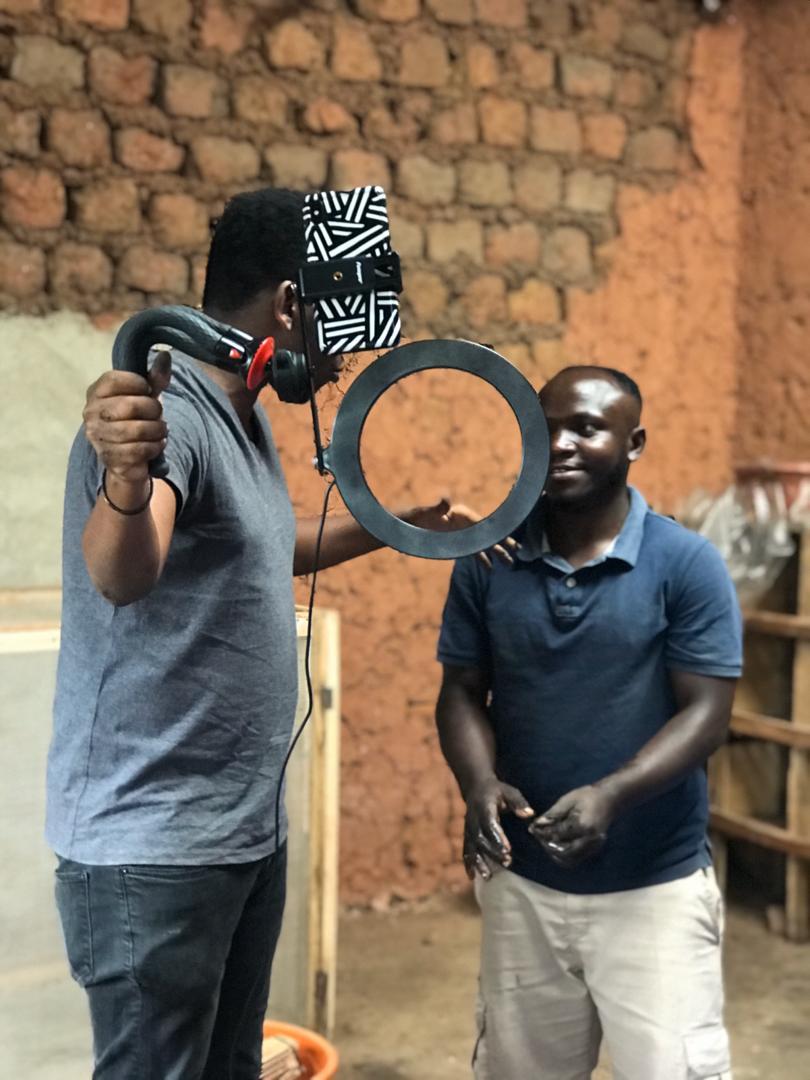

More than 180 youths between 18 and 35, from Rwanda, Ethiopia, Kenya and Uganda, embarked on a 5-day journey to build and disseminate knowledge and best practices in agroecology. They experienced first-hand how an agricultural business founded on agroecological principles can contribute to the sustainability of food systems, support youth employment and help transform their country’s economy, while providing a sustainable source of income.
Visits to youth-led agribusiness enterprises and peer-to-peer exchanges gave the participants opportunities to increase their knowledge, improve their skills and think of new approaches.
The end of the caravan was only the beginning of a broader journey towards ensuring an enabling environment for agroecology practices. More than 70% of the participants have now embraced agroecology as a way to improve their livelihoods. For example, they started tending to their farms on a full-time basis, which was not the case before the YALTA programme, and 60% of the enterprises formalised their operations by registering their businesses.
In Uganda, the Caravan ended with National Policy Engagements, a platform that provided youth an opportunity to interact with policy makers and other non-state actors on matters of an enabling environment for agroecological business practices.
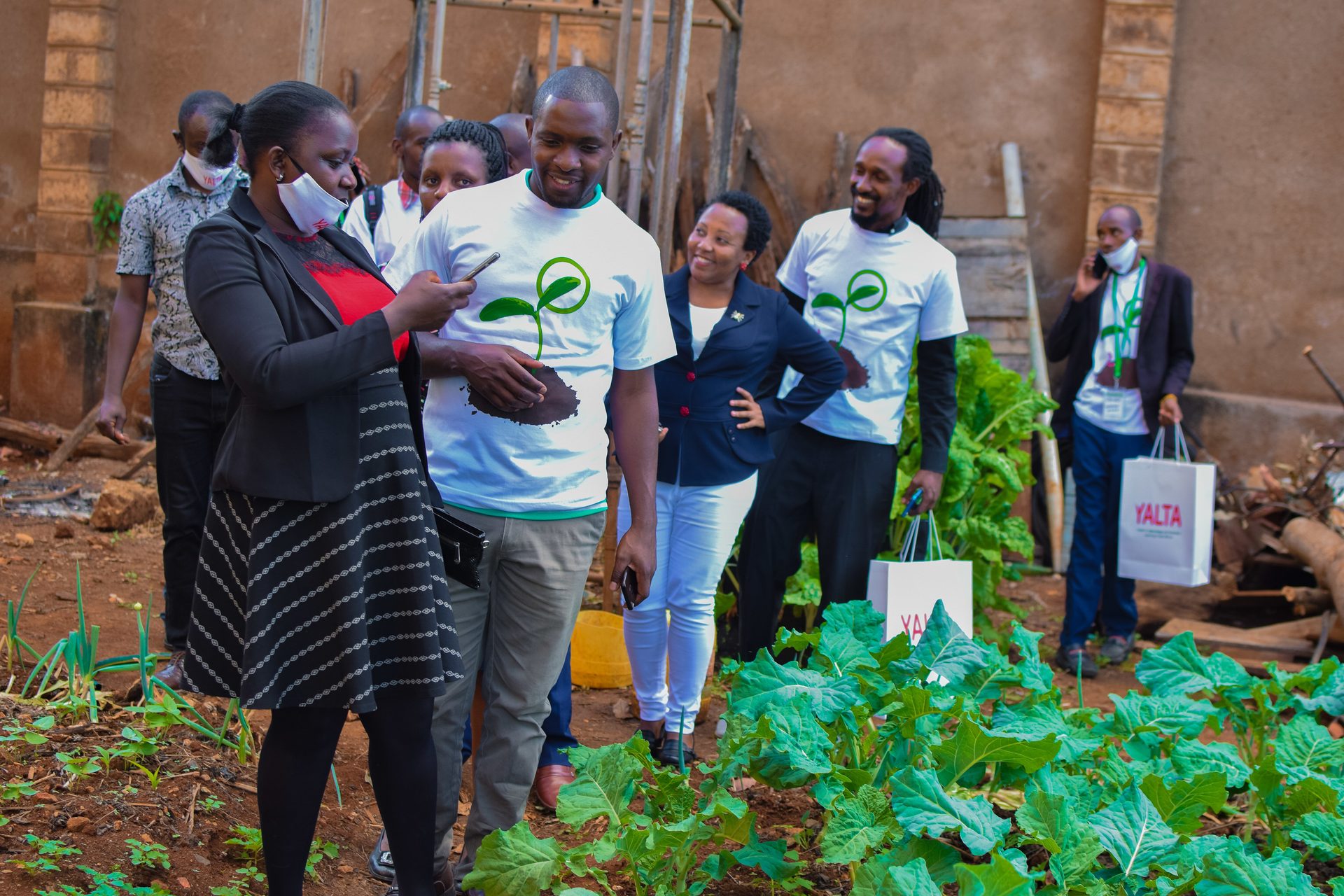
Kenya
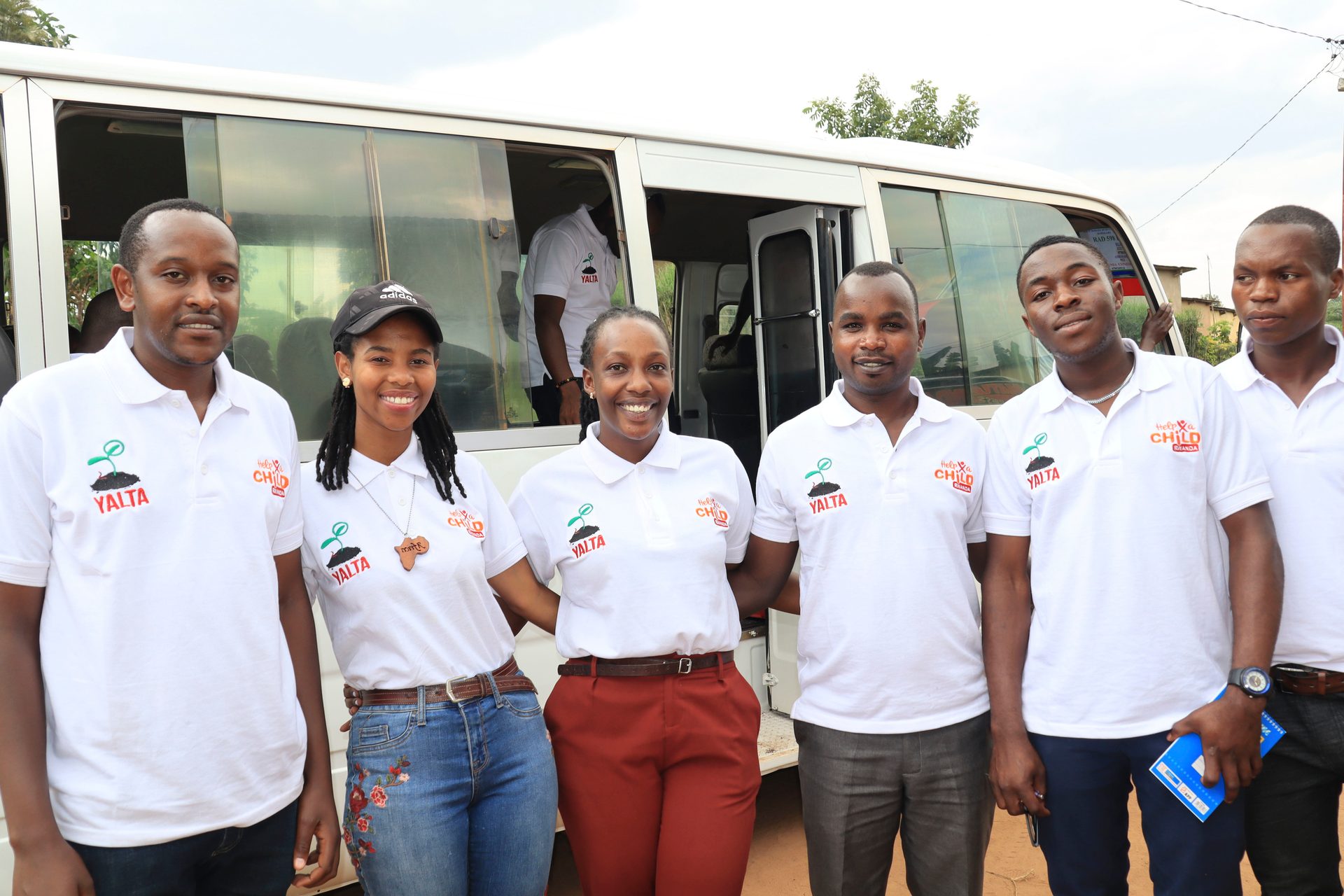
Rwanda
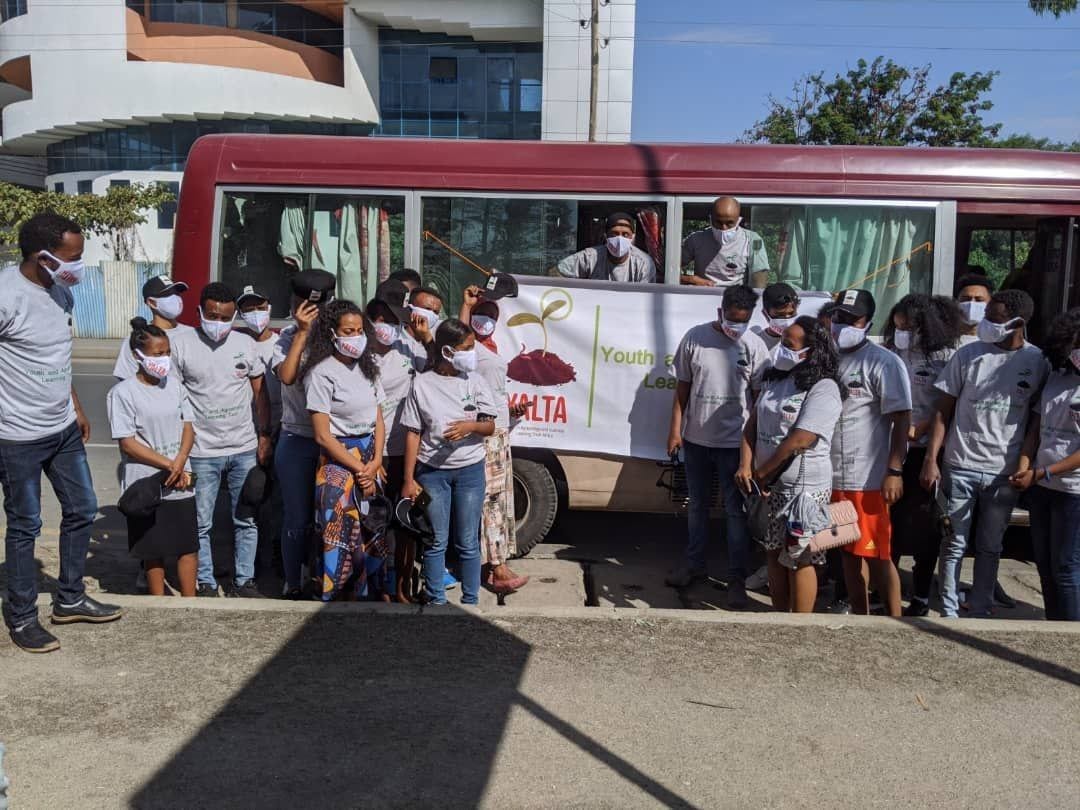
Ethiopia
Agroecology Caravan Ethiopia
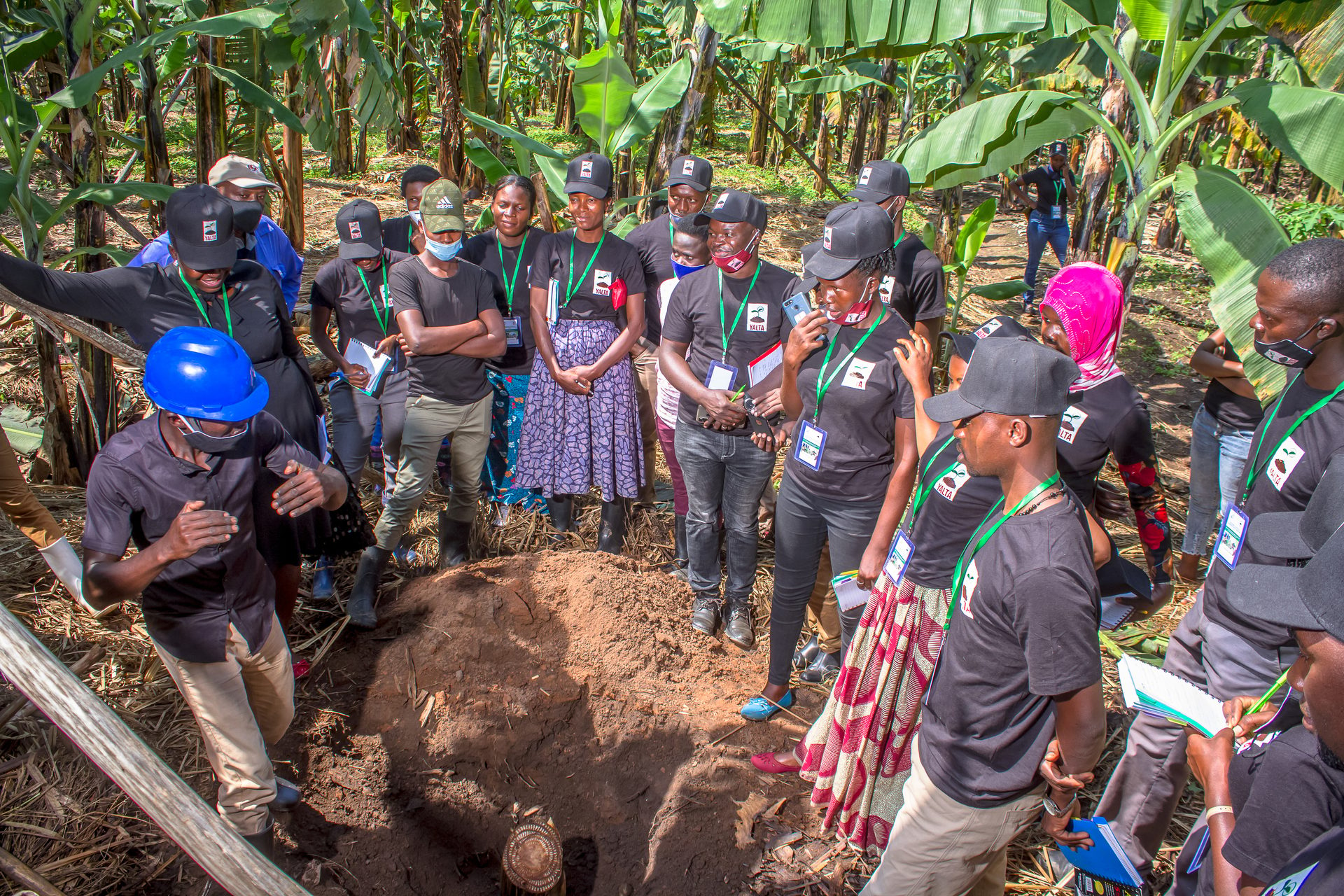
Uganda
Agroecology Caravan Uganda
'I thank PELUM and YALTA for giving youth a platform to share knowledge. Youth now have the capacity to feed this nation and transform our communities. From the caravan, a consultancy firm was born. “Abalimisa'' provides extension services in the field of agroecology.'
Hajjara Nantume | Young Entrepreneur
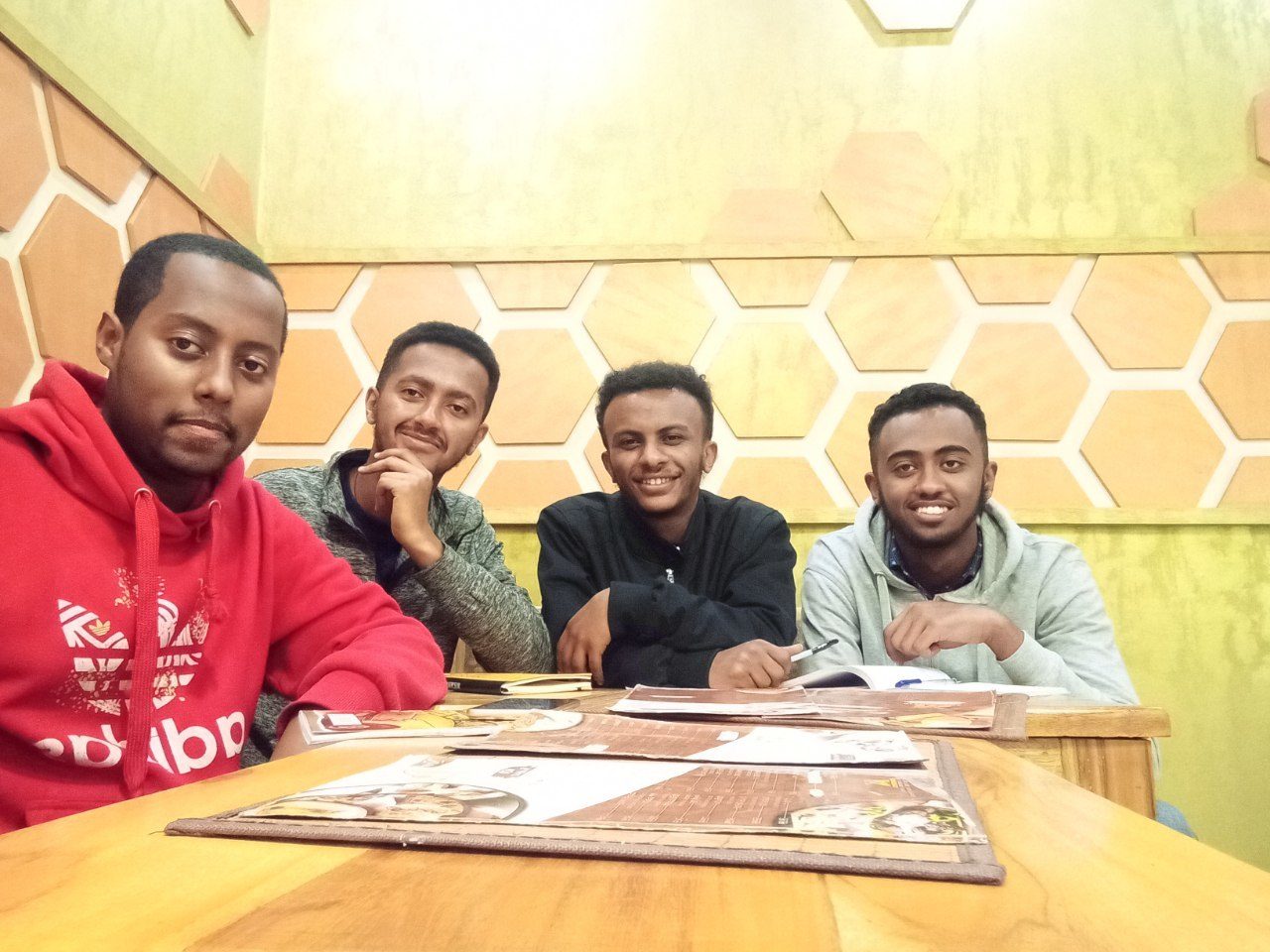
Youth Caravan
More than 180 youths between 18 and 35, from Rwanda, Ethiopia, Kenya and Uganda, embarked on a 5-day journey to build and disseminate knowledge and best practices in agroecology. They experienced first-hand how an agricultural business founded on agroecological principles can contribute to the sustainability of food systems, support youth employment and help transform their country’s economy, while providing a sustainable source of income.
Visits to youth-led agribusiness enterprises and peer-to-peer exchanges gave the participants opportunities to increase their knowledge, improve their skills and think of new approaches.
The end of the caravan was only the beginning of a broader journey towards ensuring an enabling environment for agroecology practices. More than 70% of the participants have now embraced agroecology as a way to improve their livelihoods. For example, they started tending to their farms on a full-time basis, which was not the case before the YALTA programme, and 60% of the enterprises formalised their operations by registering their businesses.
In Uganda, the Caravan ended with National Policy Engagements, a platform that provided youth an opportunity to interact with policy makers and other non-state actors on matters of an enabling environment for agroecological business practices.
Kenya
Rwanda
Ethiopia
Agroecology Caravan Ethiopia
Uganda
Agroecology Caravan Uganda
'I thank PELUM and YALTA for giving youth a platform to share knowledge. Youth now have the capacity to feed this nation and transform our communities. From the caravan, a consultancy firm was born. “Abalimisa'' provides extension services in the field of agroecology.'
Hajjara Nantume | Young Entrepreneur
More than 180 youths between 18 and 35, from Rwanda, Ethiopia, Kenya and Uganda, embarked on a 5-day journey to build and disseminate knowledge and best practices in agroecology. They experienced first-hand how an agricultural business founded on agroecological principles can contribute to the sustainability of food systems, support youth employment and help transform their country’s economy, while providing a sustainable source of income.
Visits to youth-led agribusiness enterprises and peer-to-peer exchanges gave the participants opportunities to increase their knowledge, improve their skills and think of new approaches.
The end of the caravan was only the beginning of a broader journey towards ensuring an enabling environment for agroecology practices. More than 70% of the participants have now embraced agroecology as a way to improve their livelihoods. For example, they started tending to their farms on a full-time basis, which was not the case before the YALTA programme, and 60% of the enterprises formalised their operations by registering their businesses.
In Uganda, the Caravan ended with National Policy Engagements, a platform that provided youth an opportunity to interact with policy makers and other non-state actors on matters of an enabling environment for agroecological business practices.
Kenya
Rwanda
Ethiopia
Agroecology Caravan Ethiopia
Uganda
Agroecology Caravan Uganda